
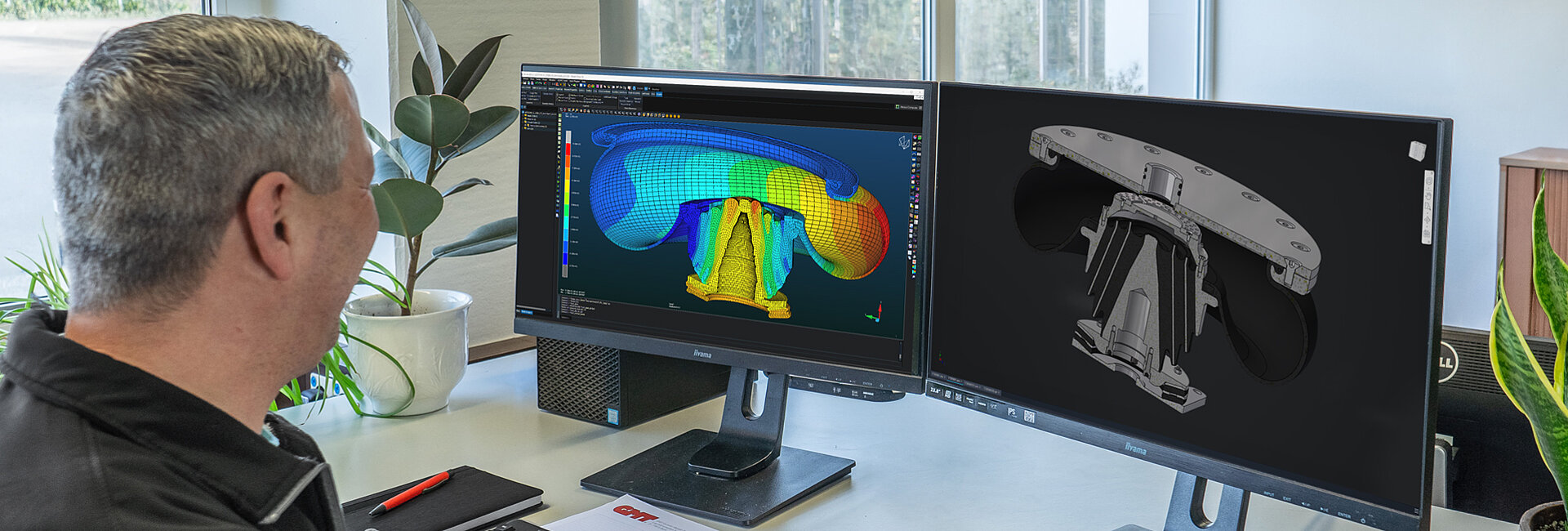
FEA calculation
The finite element analysis (FEA) is a numerical method for solving complex physical problems. It divides structures into small elements and enables a precise analysis of stresses, strains and other physical effects.
Maximum Performance Through FEA-Based Design
We consistently rely on state-of-the-art FEA calculations for the design of our components. These methods allow us to realistically simulate the mechanical and dynamic behavior of our components early in the development process and to optimize them in a targeted manner. In this way, we lay the foundation for the best possible performance, reliable functionality and a long service life for our products and systems under the respective operating conditions.
These precise calculations are based on internally determined, hyperelastic material parameters that are precisely tailored to the specific elastomer compound used. This in-depth understanding of materials and processes gives us a decisive edge in engineering: Deformations, strains and stresses can be reliably predicted, allowing us to efficiently optimize product designs and significantly shorten development periods.
In this way, the GMT Group combines digital engineering excellence with practical application expertise - to deliver high-performance, cost-effective and consistently reliable solutions that meet the high demands of our customers worldwide.
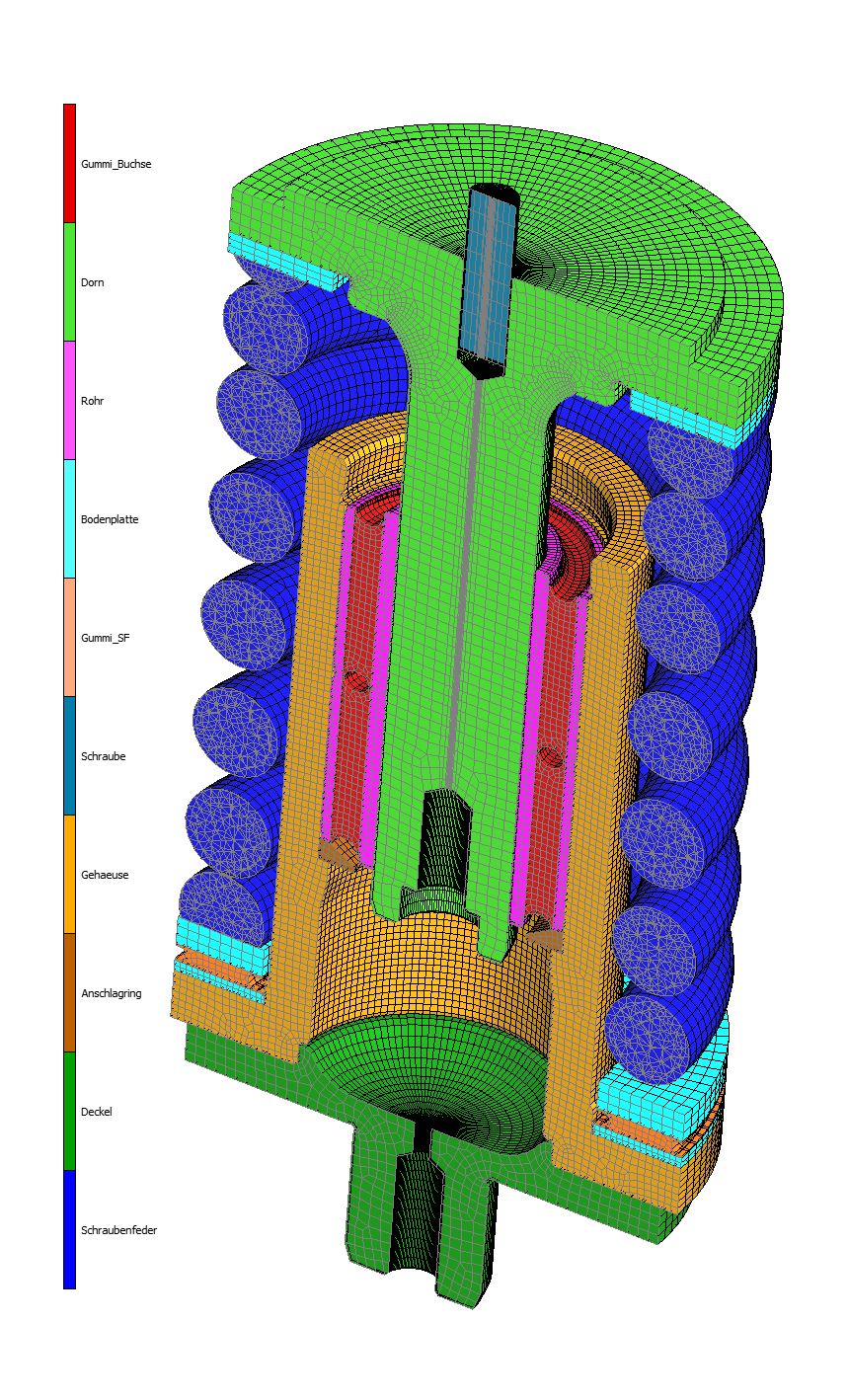
Multiaxial Damage Analysis for Reliable Service Life Predictions
The stress and strain distributions obtained from the calculations form the basis for a reliable and well-founded service life prediction for our components. They enable us to identify critical areas early on, optimize them in a targeted manner and precisely predict component behavior under realistic load combinations.
Using in-house-developed, material-specific damage parameters, we perform sophisticated multiaxial damage analyses. This in-depth, proprietary methodological expertise enables the GMT Group to reliably evaluate the complex interplay of material, geometry and stress even before experimental testing. This minimizes development risks, objectively validates design decisions and reduces testing efforts.
This depth of engineering expertise provides our customers with clear added value: Shorter development times, robust and durable products and a high level of safety in use. The GMT Group’s expertise thus ensures precise predictions, reliable performance and a technological edge - long time before the first component is physically tested.
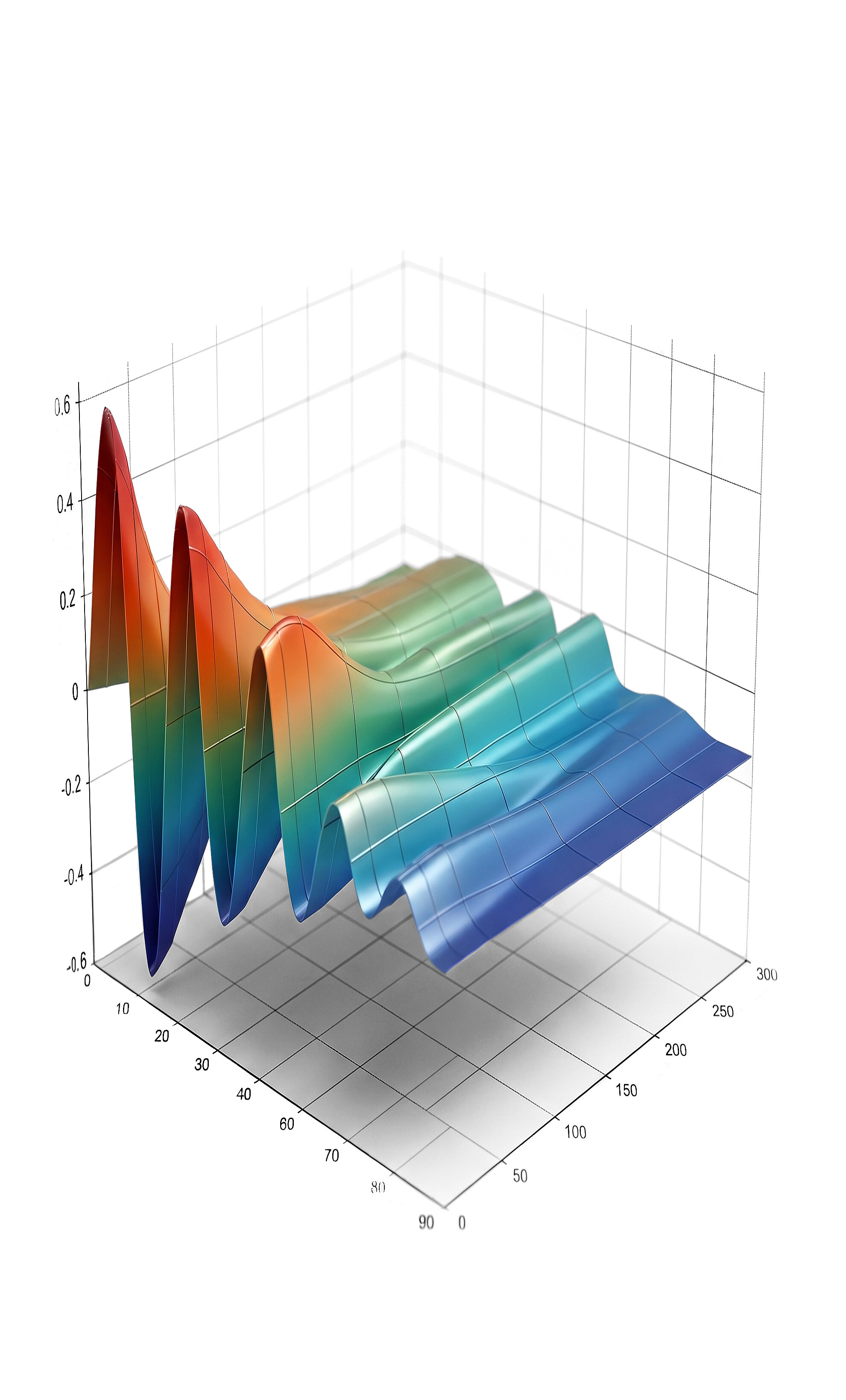
Safety and Stability Through Precise Simulation
Our simulations go far beyond individual components: We analyze complete air spring systems - including the bellows - as a holistic, functional unit. In doing so, we account for the fabric parameters and the compressibility of air in a realistic and application-specific manner. This results in a precise digital representation of the system’s future operational behavior.
This high level of model fidelity enables a reliable assessment of system stability, deformation behavior and collision avoidance even in early development phases. Critical operating conditions, tolerance ranges and dynamic load cases can be specifically investigated and structurally optimized even before the first prototypes are built.
With this holistic simulation approach, the GMT Group underscores its comprehensive engineering expertise: Making complex systems safely controllable, shortening development times and providing our customers with high-performance, functionally validated and durable spring elements and air spring systems - designed to meet the most demanding requirements in real-world applications.
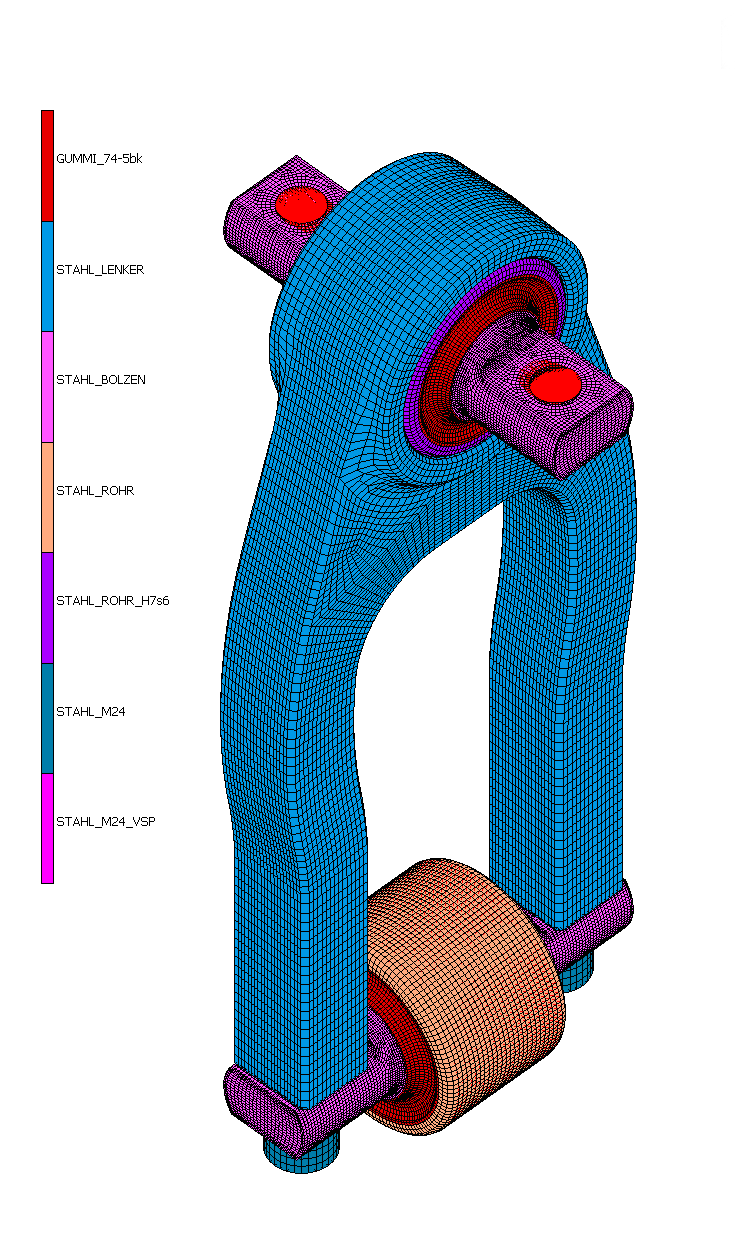
FKM Strength Analysis for Maximum Operational Safety
At the GMT Group, metal components critical to structural strength are consistently validated through a structured strength analysis in accordance with the FKM guideline. This ensures that our designs not only meet regulatory requirements but also fully comply with the current state of the art.
Depending on the specific application profile, the actual load combinations and the specific safety requirements, our engineering teams select safety factors tailored to the application. This differentiated approach enables a well-rounded balance between maximum safety, optimal component utilization and economic efficiency.
Strength design in accordance with standards is an integral part of our holistic engineering approach: It is incorporated early on in the design, material selection and system integration processes, ensuring robust, durable and reliable solutions. In this way, the GMT Group underscores its expertise in the metal sector as well - with technically precise verifications, a high degree of planning reliability and dependable performance in real-world applications.