
Electrical Engineering
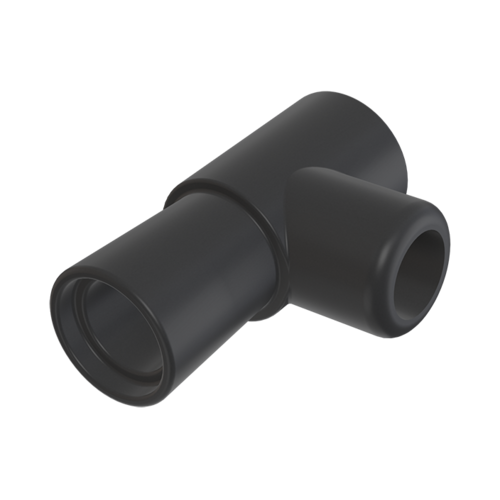
Rubber and metal damping elements, as well as molded rubber parts such as suspension elements, silicone sleeves, angle adapters and end adapters, are used in electrical engineering to protect electrical connections and connected components from vibrations, impacts and mechanical stress. They serve as a flexible interface between cables, connectors and enclosures, preventing damage or loss of contact.
Area of application
Rubber-metal mounts and molded rubber parts play an important role in the electrical engineering industry in protecting and stabilizing sensitive electrical assemblies. They are used wherever vibrations, shocks or mechanical stresses could impair the function of components, connectors or enclosures. By combining elastic rubber with sturdy metal, these elements provide effective vibration damping, relieve mechanical stress and reliably compensate for assembly and manufacturing tolerances. At the same time, they ensure secure fastening and help protect cables, contacts and electronic components from premature wear. Thanks to their high damping effect, long-term and temperature stability and maintenance-free design, rubber-metal mounts increase the reliability and service life of electrical systems. They thus make a significant contribution to the trouble-free, long-lasting and quiet operation of modern electrical and electronic devices.
Technical details
Rubber-metal bearings and molded rubber parts for the electrical engineering industry exhibit high strength and allow for very low natural frequencies, making them well-suited for low-frequency vibrations and high loads. However, their inherent damping is low, which is why they are often combined with additional damping elements. In practice, rubber-metal assemblies are frequently used; these combine the high load-bearing capacity of the metal with the good damping properties of the rubber, thereby ensuring efficient vibration isolation in applications such as transformers, control cabinets or electrical machines.
Characteristics
The most important properties of rubber and metal damping elements lie in their different mechanical behaviors: Rubber has high internal damping and exhibits viscoelastic behavior, which effectively converts vibration energy into heat; at the same time, it is electrically insulating and adaptable, though its properties depend on temperature, aging and environmental factors. Metallic elements, on the other hand, are characterized by high strength, dimensional stability, and load-bearing capacity, and enable very low natural frequencies; however, they have only low inherent damping and conduct electrical currents. When combined, rubber-metal elements combine these advantages by offering both sufficient load-bearing capacity and effective vibration damping.