Bridge Construction Components
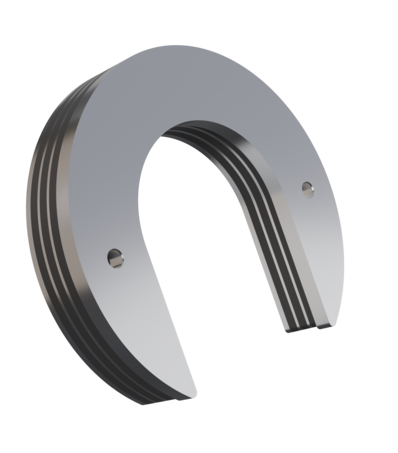
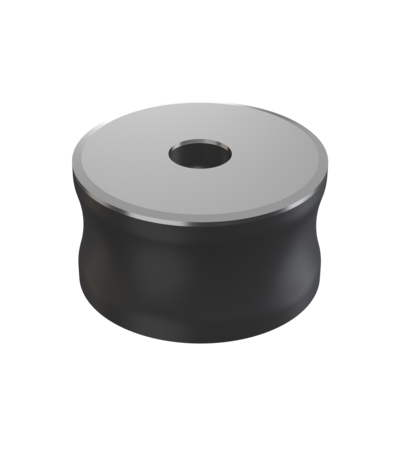
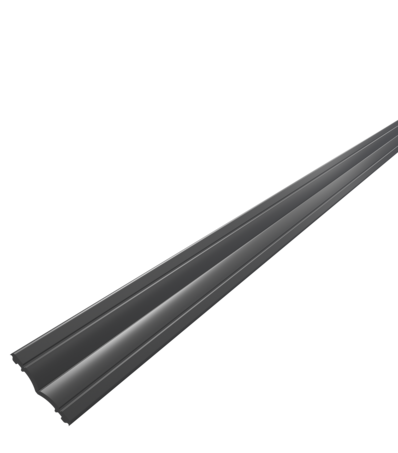
Rubber-to-metal bonded and rubber components play a central role in bridge construction by safely absorbing and effectively transferring forces and movements. Rubber-metal bridge bearings are designed to reliably transfer loads from the superstructure to the substructure while elastically compensating for movements caused by thermal expansion, traffic loads or settlement. They reduce stresses in the structure and contribute significantly to the structure’s durability. Sliding springs combine elastic spring action with controlled displacement. They allow for longitudinal and transverse movements of the structure while limiting forces and protecting the structure from constraint. Rubber-metal control springs additionally perform guidance and return functions by specifically directing movements and damping unwanted deformations. Overall, these rubber-metal components ensure vibration reduction, load control and a durable, low-maintenance design for modern bridge structures.