
Shut-off Valve/Air Damper
Shut-off and air dampers made of a rubber-metal composite are used in shipbuilding to reliably control or interrupt air, gas and exhaust gas flows. The combination of a durable metal housing and flexible rubber elements ensures a secure seal while also reducing vibrations and noise. Typical applications include ventilation, air conditioning and exhaust systems in engine rooms as well as other maritime systems.
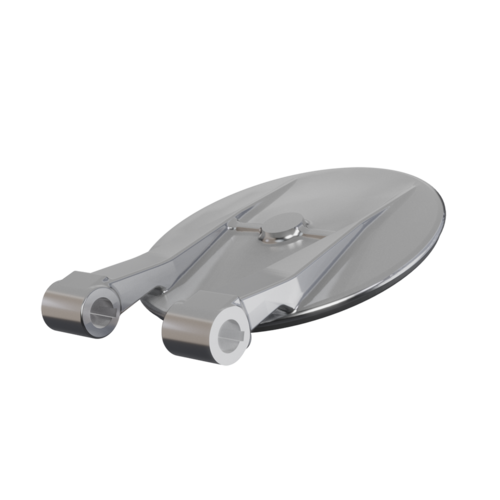
Area of application
Rubber-metal composite shut-off and air dampers are used in shipbuilding in large engines, ventilation and supply systems. One specific application is the regulation of airflow in engine rooms to control pressure conditions and temperature management. They are also used in exhaust and bypass systems, where flexible sealing properties are required to prevent leaks. In addition, they are used in vibration-prone onboard systems to reduce material stress and enhance operational reliability.
Technical details
Rubber-metal composite shut-off and air dampers consist of a sturdy metal frame or housing with integrated elastic rubber sealing and damper elements. The metal component ensures mechanical strength and dimensional stability, while the rubber provides a gas- and airtight seal and vibration isolation. Technically, these dampers are designed for media subjected to pressure and temperature stresses, varying flow directions and dynamic ship movements. They are highly resistant to corrosion, oil and seawater and are designed for continuous operation in shipbuilding.
Characteristics
Rubber-metal composite shut-off and air dampers used in shipbuilding are characterized by their high sealing performance, even under conditions of vibration, pressure fluctuations, and ship motion. They offer a combination of sealing performance, elasticity and structural strength, thereby reducing leaks and material stress. Of particular note is their resistance to corrosion, seawater, exhaust gases and temperature fluctuations. In addition, they ensure reliable performance during continuous operation, comply with maritime safety standards and contribute to operational safety and noise reduction on board.