
Sliding bearing
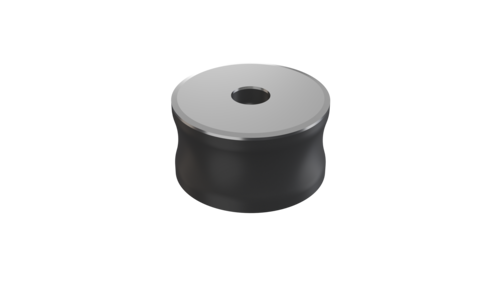
Rubber-metal sliding bearings are elastic support components that accommodate horizontal movements and deformations between a bridge superstructure and substructure. They combine a damping rubber body with metal sliding or reinforcing elements. As a result, they allow for controlled displacement, reduce stresses in the bridge structure and ensure durable, low-noise and low-vibration support for bridges.
Area of application
Rubber-to-metal bonded sliding bearings are primarily used in road and railway bridges to accommodate horizontal movements caused by temperature changes, traffic loads and structural deformations. They are particularly common in transition structures, abutments, piers and areas subject to high dynamic loads and vibration requirements.
Technical details
Rubber-metal sliding bearings consist of an elastic rubber body combined with metal plates or sliding surfaces. They absorb horizontal forces and movements in a controlled manner, dampen vibrations and reduce stresses between the superstructure and substructure. Thanks to their elastic spring action, they allow for displacement and rotation, protect the structure from overload and at the same time ensure a durable, low-maintenance bearing arrangement.
Characteristics
Rubber-metal sliding springs offer high elastic restoring force, excellent horizontal motion absorption and effective vibration damping. The combination of rubber and metal ensures stable force transmission, controlled deformability, good resistance to aging and low-maintenance, long-lasting performance. In addition, they allow for defined displacements and rotations without overloading the supporting structure.