
Stator
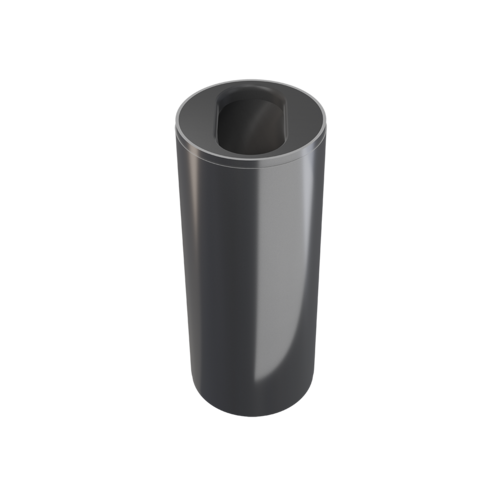
A stator is a stationary component in positive-displacement pumps, particularly in eccentric screw pumps, which, together with the rotating rotor, forms the pumping chamber. The precise geometric alignment of the rotor and stator creates continuously moving cavities that deliver the fluid evenly and with minimal pulsation. The stator has a significant influence on the pump’s flow rate, wear and the service life of the entire pump system.
Area of application
Stators are primarily used in eccentric screw pumps, such as those typically found in the building materials and plastering industries for conveying cement mortar, self-leveling screed, plastering materials, paste-like media and other abrasive or highly viscous substances. In these applications, stators must withstand high pressures, abrasive solids and fluctuating material consistencies. They are used, among other things, in plastering machines, screed pumps, concrete repair equipment, industrial transfer pumps and dosing systems. Their design significantly influences the pump’s performance, material throughput and operational stability.
Technical details
A stator typically consists of a cylindrical metal housing into which a helical elastomer lining is inserted or vulcanized. Depending on the pump type and the fluid being pumped, different elastomer materials can be used, such as natural rubber compounds or synthetic elastomers, which are tailored to specific chemical and mechanical requirements. The geometry is matched to the rotor, which usually has an eccentrically rotating, single- or multi-start helical shape. The interaction between the rotor and stator creates closed, axially moving pumping chambers. The clearance - that is, the defined gap between the rotor and stator - is a key parameter that determines the conveying capacity and wear. In addition, variants with different numbers of threads, degrees of hardness or housing designs are used to meet the requirements of various conveyed media and operating conditions.
Characteristics
Stators for pumps used in the cement and plaster industries are characterized by high abrasion resistance and stable flow characteristics. They enable uniform material flow without significant pressure spikes and are designed to deliver reliable performance even under high loads. Other typical characteristics include robust elastomer behavior, good recovery properties under varying material loads, temperature-dependent flexibility and a long service life when used and maintained properly. The stator plays a key role in ensuring the energy efficiency, flow rate and operational reliability of the entire pump.