Wheel Suspension for railway vehicles
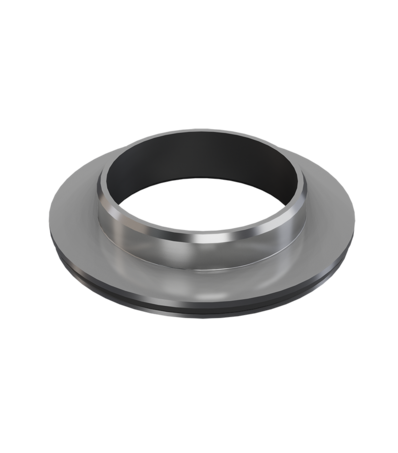
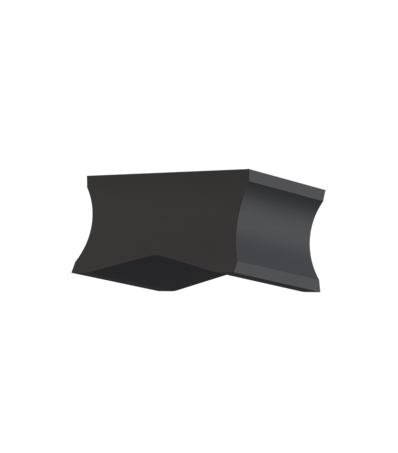
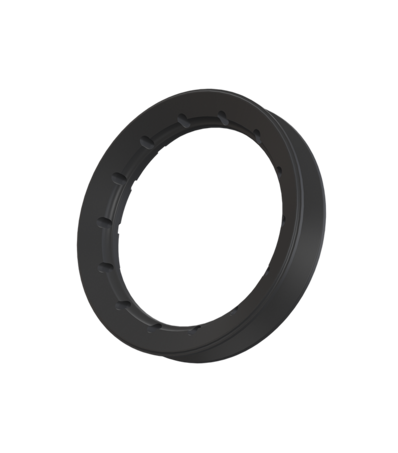
Rubber-sprung wheels in the rail vehicle sector serve to position the tire elastically relative to the wheel body. An elastic rubber layer acts between the tire and the wheel body; this layer consists of individually arranged rubber elements, spring washers, or rubber rings that possess precisely tuned spring and damping characteristics. As a result, these wheels can absorb structure-borne noise, reduce shocks, and lower unsprung masses, leading to significant noise reduction and less wear on both the wheel and the rail. This is particularly important in noise-sensitive areas such as city centers, tunnels, and in tram and metro operations. In addition, the elastic mounting protects the infrastructure and vehicle components by reducing dynamic forces, rail impact, and material fatigue. This extends the service life of both the track and the vehicle. Ride quality is also improved: minor track irregularities are better compensated for, wheel-rail forces are reduced, and the typical squealing in tight curves is minimized—an advantage that is particularly beneficial in urban and streetcar operations.
Rubber-sprung wheels are primarily used in streetcars, light rail vehicles, and subway trains.