
Air spring system: reduced vibration and optimal comfort
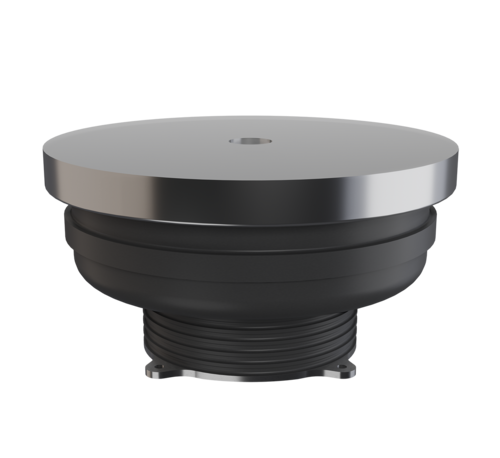
Air spring systems are a central and technologically sophisticated component of railway vehicle engineering. They provide secondary suspension between the bogie and the car body, thereby ensuring optimal ride comfort, precise level control and reliable decoupling of the bogie from the vehicle body. Due to their high performance air suspension systems are used in nearly all categories of railway vehicles.
Area of application
Air spring systems are used in many areas of the railway vehicle sector. In regional and long-distance trains, they improve ride quality by reducing vibrations and compensating for load fluctuations. In commuter trains and subways, they also ensure stable vehicle positioning and a smooth ride, even during frequent acceleration and braking maneuvers. In high-speed trains, air spring systems ensure a precise suspension characteristic curve, minimize vibrations and enhance the vehicle’s ride comfort. In streetcars and low-floor vehicles the integrated level control system enables barrier-free access and reliably compensates for varying platform heights.
Technical details
An air spring system in the bogie of a railway vehicle serves as the central secondary suspension between the bogie and the car body. It consists of an air spring bellow, a level control system, an upper and lower plate, and an emergency spring or auxiliary spring with sliding plates that ensure safety under extreme operating conditions. The air bellow itself contains a defined volume of air that maintains a stable vehicle height through pressure regulation and compensates for load fluctuations. By continuously monitoring the distance between the bogie and the car body, the level control system precisely adjusts the air pressure. This keeps the vehicle height constant regardless of load or passenger count. At the same time, the air spring dampens oscillations and vibrations, protects the vehicle structure from impacts originating from the track and ensures a smooth, comfortable ride. Overall, an air spring system combines flexible spring action with intelligent control technology.
Characteristics
Air spring systems provide consistently high ride comfort, regardless of the vehicle’s load. They ensure automatic level control, which keeps the vehicle’s position stable and enhances safety. At the same time they reduce noise and vibrations, which helps protect both vehicle components and the infrastructure. Thanks to their robust design and long service life, air spring systems contribute to reliable operation and minimize maintenance requirements. Overall, they improve comfort, stability and cost-effectiveness in the daily operation of railway vehicles.
Components
Air spring bellow
Air spring bellows are available in various designs and serve as components of air spring systems for secondary suspension in railway vehicles. Thanks to their precise design and manufacturing in accordance with specifications, the air spring bellows can be individually adapted to different applications and specific load requirements. The result is durable, high-performance components that make a decisive contribution to the stability, smooth ride and reliability of railway vehicles.
Belted or Restricted Bellow
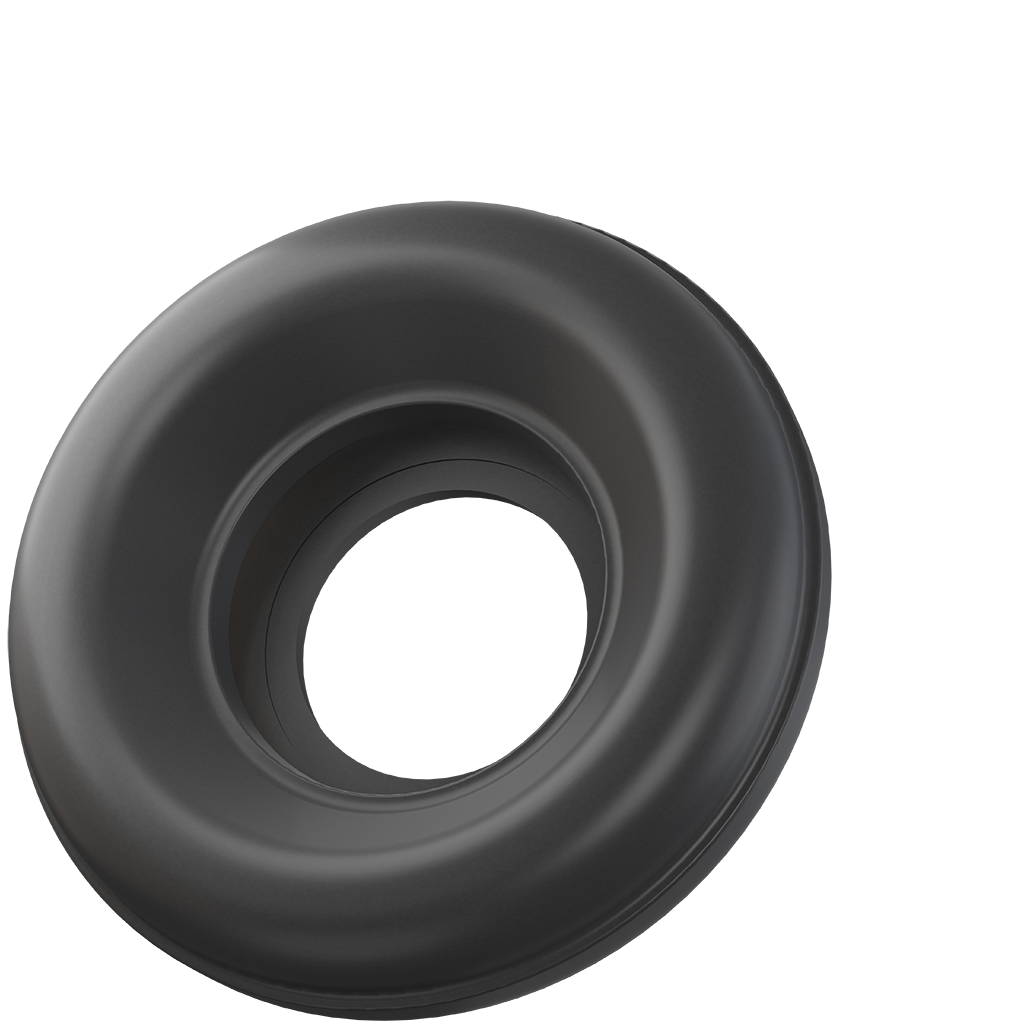
Belted or restricted bellows are a particularly robust design among air spring bellows for air spring systems. They are the preferred choice when high stability and precise spring action are required, such as in commuter trains and subways. A characteristic feature of the belted bellows is its reinforced structure: A circumferential fabric or steel belt stabilizes the bellow body and prevents uncontrolled expansion under varying loads or high operating pressures. As a result, the spring characteristic curve remains constant even under demanding conditions and the vehicle receives reliable, defined support. Belted bellows offer maximum load-bearing capacity in the tightest of spaces. Thanks to their high dimensional stability, belted bellows are particularly well-suited for applications in which large forces must be transmitted or strong lateral movements must be absorbed. At the same time, the robust design ensures a long service life and reduces maintenance requirements during daily operation.
Unrestricted bellow
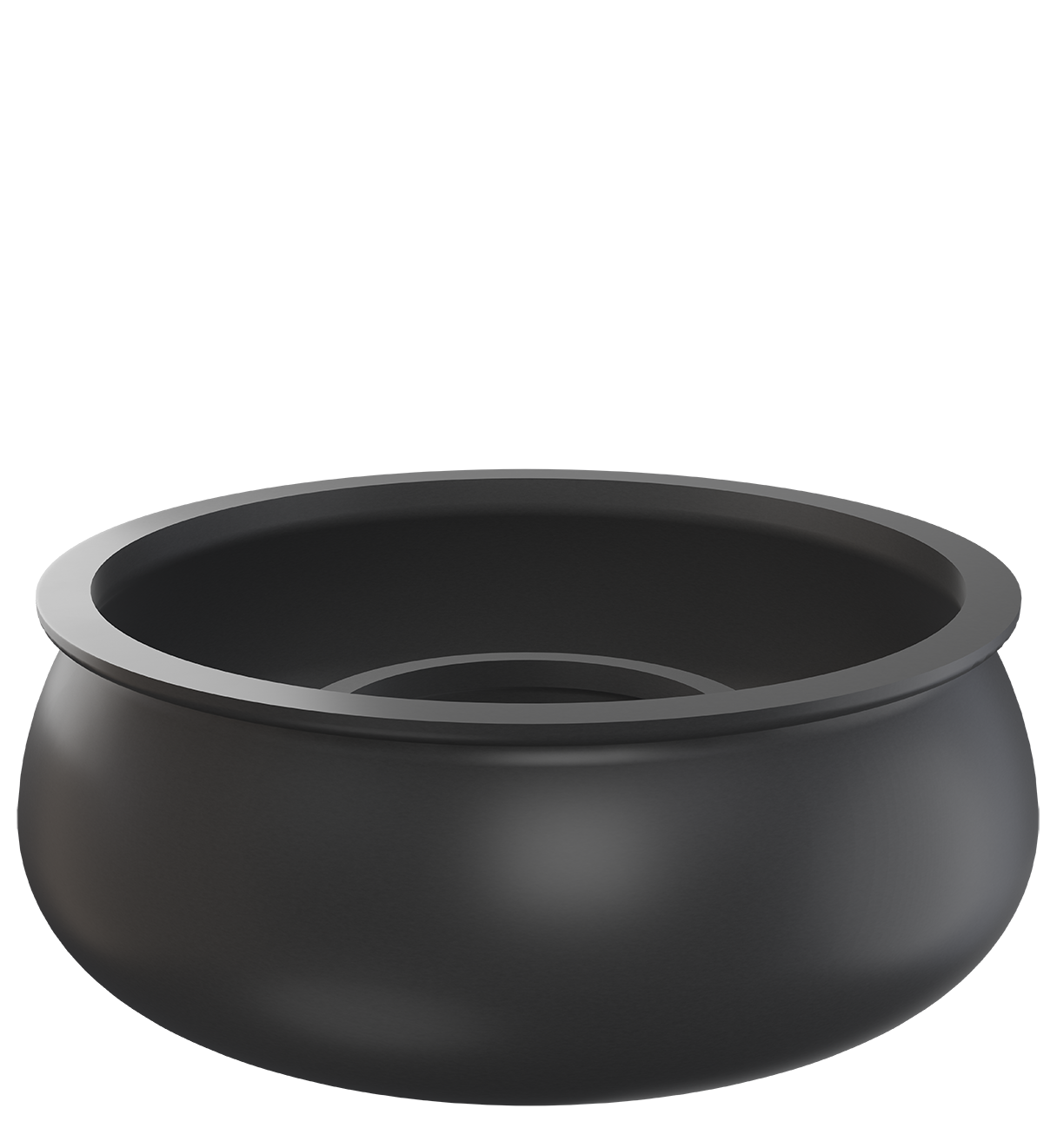
Unrestricted bellows are a compact and robust design of air spring bellows for heavy-duty air spring systems. They are the preferred choice when a stable, space-saving, and cost-effective solution is required. Their half-shell-shaped elastomer structure acts directly between the bogie and the car body, providing a defined spring effect with moderate spring rate. This makes unrestricted bellows particularly suitable for applications with limited installation space or clearly defined load profiles. Typical applications are found primarily in railway vehicles where a reliable but less complex variant of air spring systems is sufficient - such as in regional trains, trams or certain types of high-speed trains, where unrestricted bellows are used as supplementary or specifically space-optimized suspension components. The unrestricted bellows reliably absorbs vertical forces, dampens vibrations from the track and enables precise air pressure control, ensuring that the vehicle height remains constant. Its simple, durable design ensures high operational reliability and low maintenance requirements.
Rolling Lobe Bellows
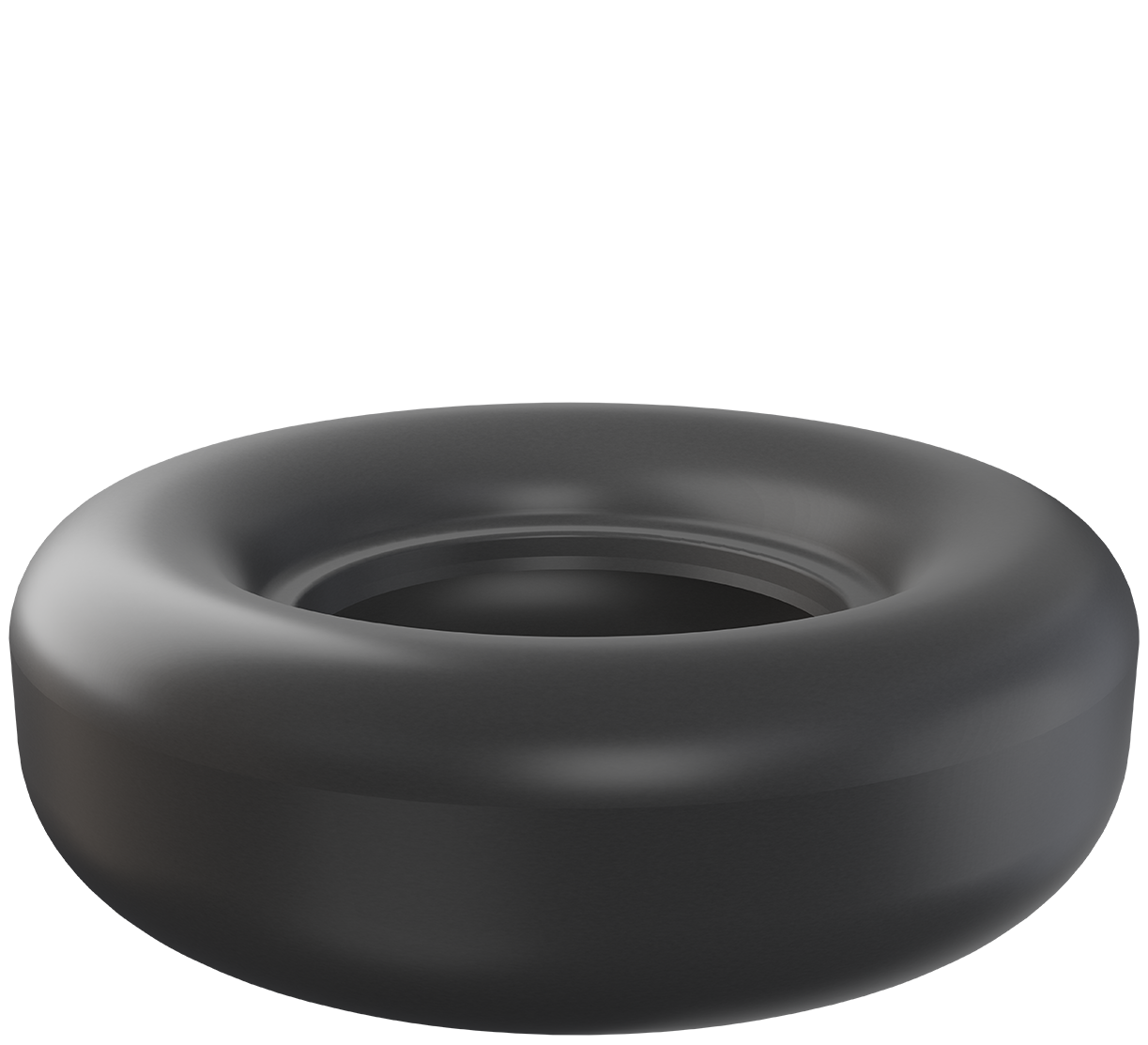
The rolling lobe bellows feature a particularly compact design and are therefore suitable for use in streetcars. Rolling lobe bellows perform the central suspension function in the air spring system of railway vehicles. Thanks to their special rolling motion, they provide smooth, low-friction suspension and maintain a stable vehicle height even under varying loads. The robust construction ensures high sealing performance and reliable force transmission, while the level control system continuously adjusts the air pressure. In this way, rolling lobe bellows effectively dampen vibrations, improve ride smoothness and enhance comfort and safety during daily operation.
Additional Spring / Emergency Spring
Auxiliary Spring - Support for the Air Spring Bellows During Normal Operation
The auxiliary spring is an integral part of the air suspension system and actively supports the air spring bellows during operation. It influences the system’s suspension characteristics, increases stability, and ensures that loads are absorbed more evenly. Thanks to this additional spring effect, the system responds more sensitively to road irregularities and provides a smooth, comfortable suspension response. The auxiliary spring thus contributes significantly to a smooth ride and to the long-term relief of the air spring bellows.
Emergency Spring – Safety and Stability in the Event of Pressure Loss
The emergency spring assumes a load-bearing function only when the air spring bellows lose pressure. In this condition or in the event of a malfunction, it stabilizes the vehicle’s position, prevents the vehicle body from sinking abruptly, and enables controlled continued rolling until the vehicle comes to a safe stop. Its robust design ensures that the vehicle remains protected even in the event of a failure in the air supply. The emergency spring thus constitutes an essential safety component within the entire air suspension system.
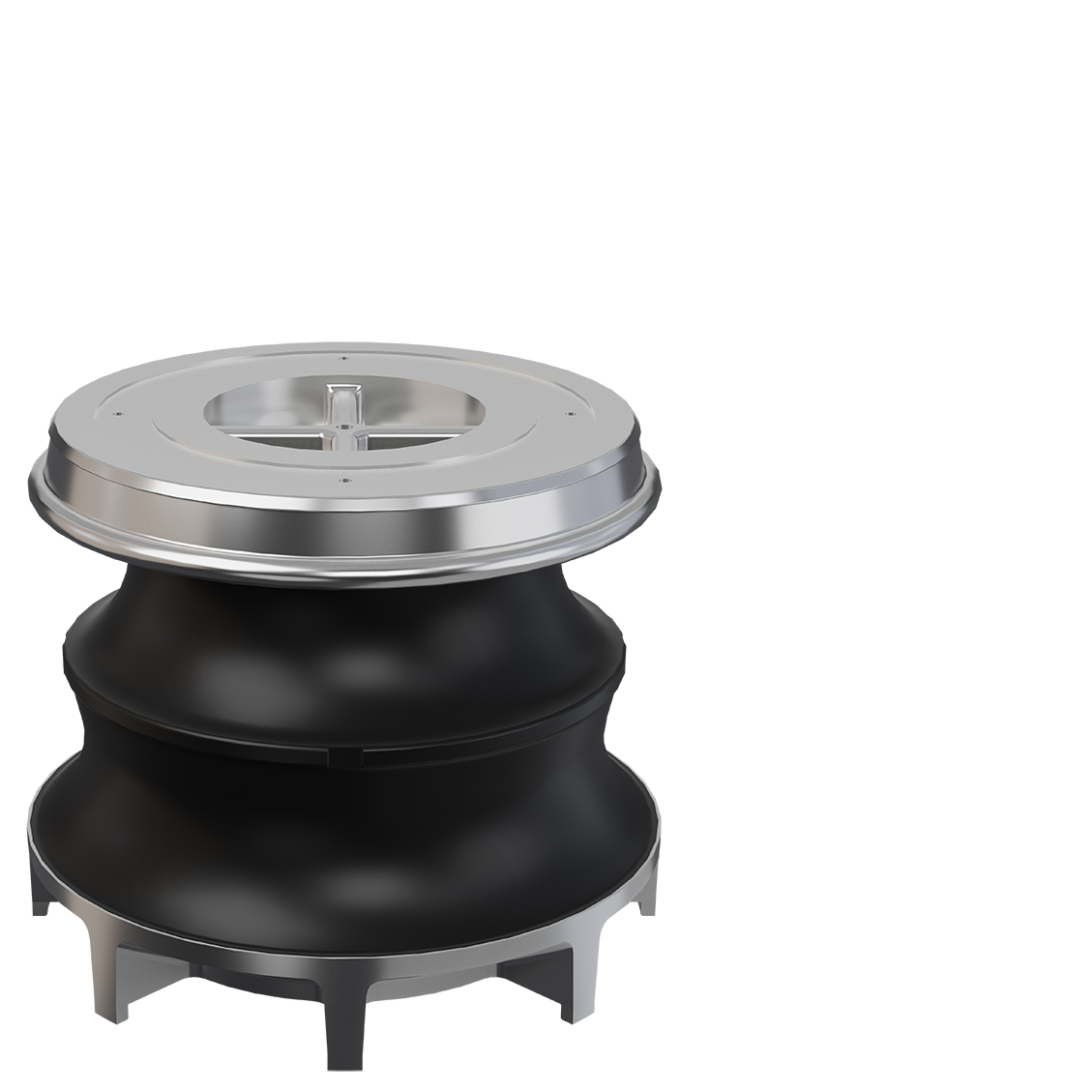
Tonne spring
Barrel springs play a crucial role in the air suspension systems of railway vehicles when it comes to stability, safety, and reliable spring performance. Their characteristic barrel-shaped design allows for a spring characteristic curve optimized for high loads. Due to its design, the barrel spring is very robust and particularly well-suited for absorbing high forces. As an auxiliary spring, the barrel spring supports the air spring bellows during normal operation. When functioning as an emergency spring, the barrel spring assumes a load-bearing role only when the air spring bellows lose pressure. Thanks to their high load-bearing capacity, long service life, and reliable spring action, barrel springs contribute significantly to operational safety and system stability in railway vehicles.
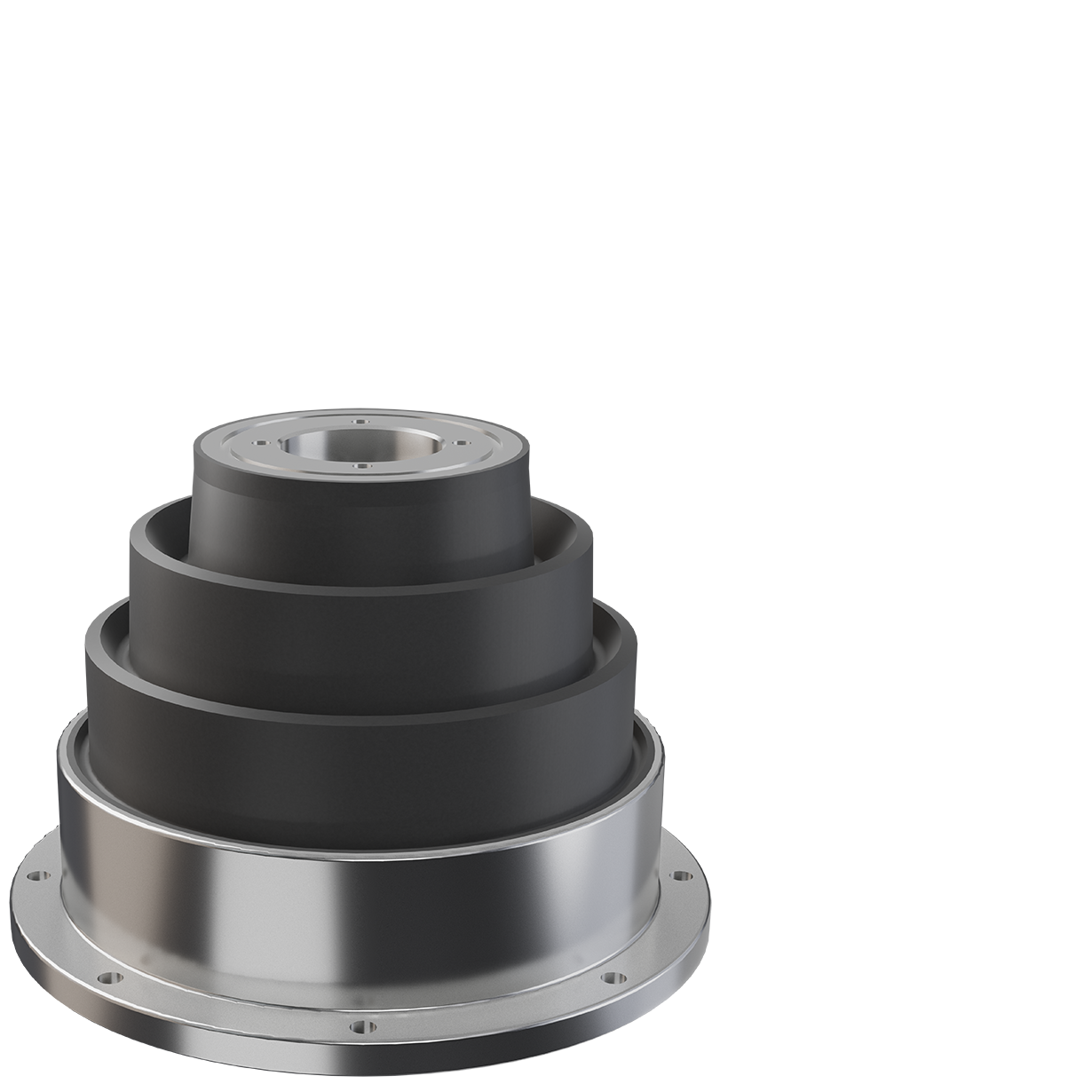
Conical spring
Conical springs are characterized by their distinctive conical shape, which enables a progressive spring rate. Unlike cylindrical springs, the effective diameter of the intermediate plates in a conical spring changes as the spring compresses. As a result, the spring force increases in a controlled manner as the load increases - a crucial advantage for air spring systems that must ensure both comfort and stability. Another feature is the high lateral stiffness, which is enhanced by the conical geometry. This ensures that the spring retains its dimensional stability even under lateral forces and reliably supports the vehicle structure. At the same time, the design allows for compact integration into the air suspension system, as conical springs often require less installation space than other spring types while delivering the same performance. The choice of materials gives the conical spring high fatigue strength and resistance to dynamic load cycles. This makes it ideally suited for use as a supplementary spring that supports the air spring bellows during normal operation, or as an emergency spring that temporarily takes over the support function in the event of a pressure loss in the bellows.

Laminated spring
Laminated springs consist of several layers of elastic material bonded together to form a compact, heavy-duty spring body. This multilayer structure ensures a highly stable, repeatable spring characteristic curve and enables the spring to reliably absorb both vertical forces and lateral movements. Thanks to the combination of elastomer layers and integrated reinforcing elements, laminated springs offer high dimensional stability and excellent damping properties. As a supplementary spring, the laminated spring supports the air spring bellows during normal operation. It reduces load peaks, stabilizes the suspension behavior, and contributes to uniform force transmission between the bogie and the car body. When functioning as an emergency spring, the laminated spring becomes active only when the air spring bellows lose pressure.
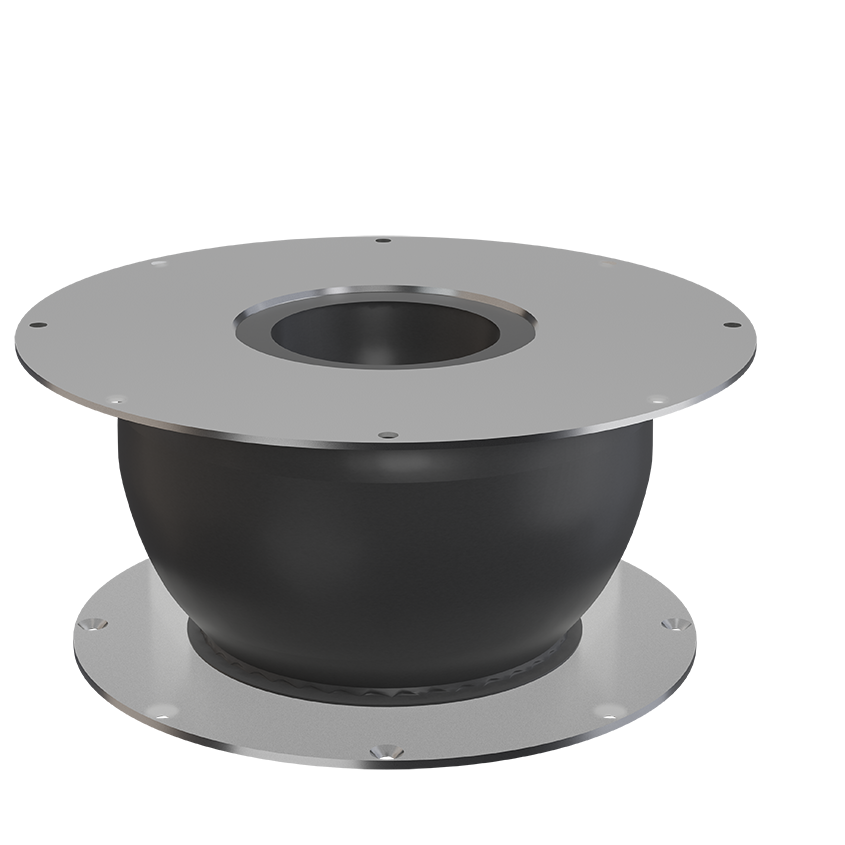
Half-Hourglass Spring
Hourglass springs are spring components with an asymmetrical, hourglass-like contour that are specifically designed to provide defined vertical and lateral stiffness. The characteristic geometry produces a nonlinear, progressive spring characteristic curve resulting from the controlled cross-sectional deformation and axial compression of the elastomer body. This enables the spring to precisely dampen small vibration amplitudes while also safely absorbing high loads without entering critical deformation ranges. The spring is typically made of heavy-duty elastomer materials that ensure high fatigue strength, low settlement, and reproducible characteristics. The asymmetrical shape creates defined lateral guidance that limits transverse movements and stabilizes the dynamic behavior of the air spring system. The half-hourglass spring is used as an auxiliary spring parallel to the air spring bellows. It absorbs part of the static load, reduces the dynamic stress on the air spring bellows, and improves system stiffness under vertical and lateral excitations. This specifically influences the natural frequency of the entire system, resulting in optimized vibration isolation. When functioning as an emergency spring, the half-hourglass spring only activates in the event of a pressure loss in the air spring bellows. Its geometry ensures that the car body is supported in a controlled manner and that the residual suspension remains within defined limits.
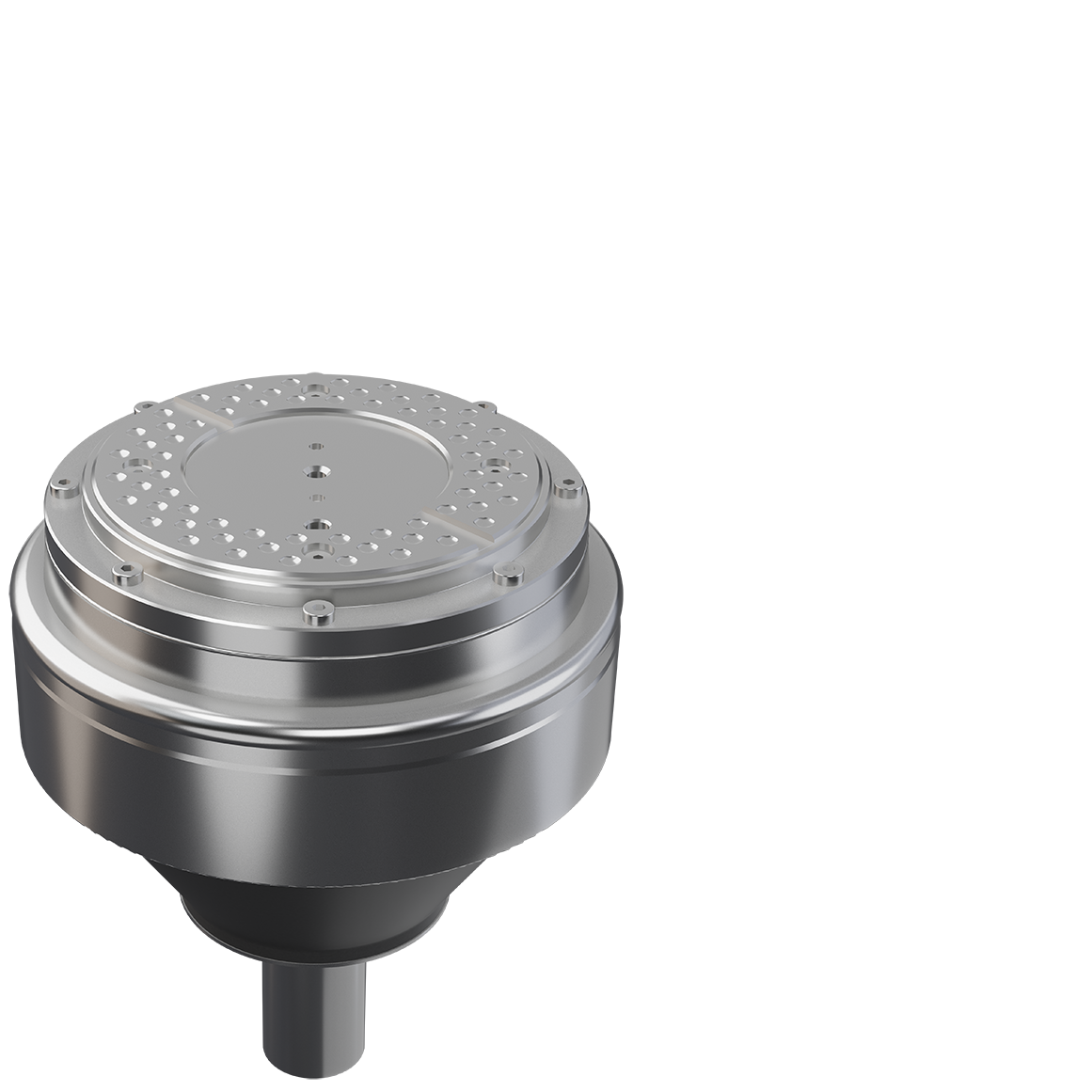
Push spring
Rubber-metal compression springs are an important component of the air spring system in rail vehicles and perform both auxiliary and emergency spring functions. As auxiliary springs, they support the air spring bellows under high loads or large deflections, absorb a portion of the vertical forces, and produce a progressive spring rate curve. In this way, they stabilize the car body, limit extreme spring travel, and improve ride quality, particularly when cornering or under shock loads. During normal operation, they only engage under specific load or stroke conditions. As emergency springs, they serve a safety-critical function: In the event of air spring bellows failure, they assume the entire static load of the car body and ensure a defined emergency spring height. In this way, they prevent contact between metal components and continue to enable safe, albeit less comfortable, operation. Thanks to their rubber-metal construction, they are durable, maintenance-free, and can reliably absorb vertical and low lateral forces over many load cycles.