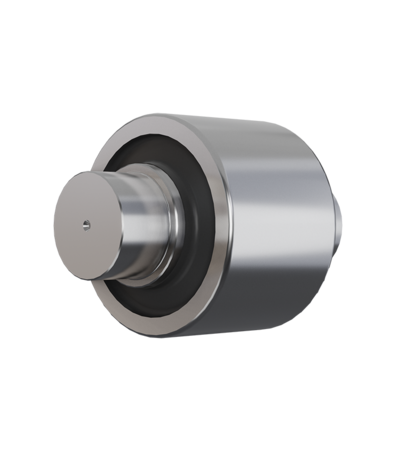
Car Body Couplings for rail vehicles – Rubber-Metal joints
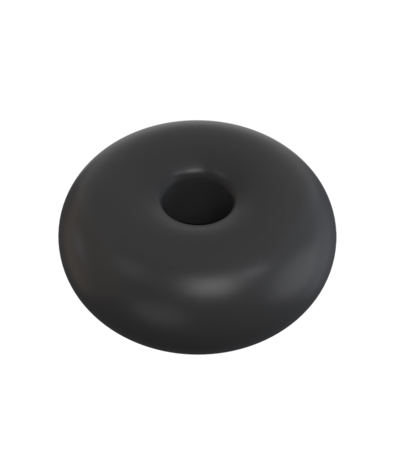
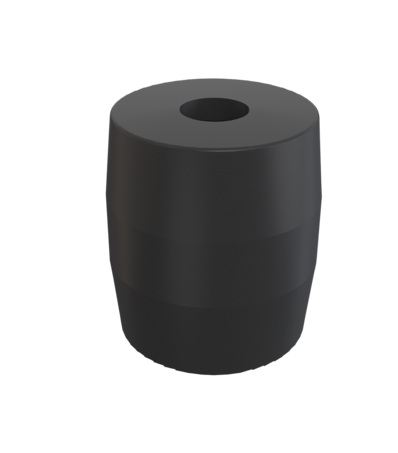
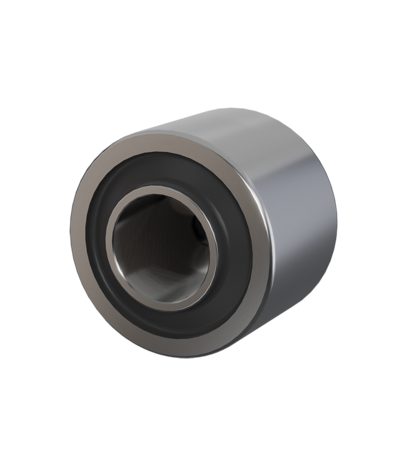
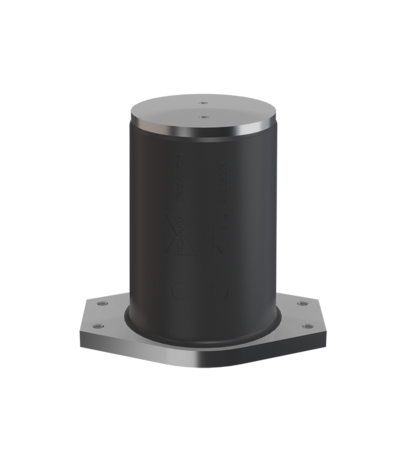
Car body couplings connect the car bodies of a railway vehicle to one another and are used for mechanical force transmission. They reliably transmit both tensile and compressive forces between the car bodies. As a result, the connected car bodies form a structural and operational unit that functions as a continuous system within the bogie and car body assembly. In railway vehicles, semi-permanent couplings are predominantly used for this purpose. These are characterized by a heavy-duty, weight-optimized design and ensure precise, backlash-free force transmission. At the same time, they allow for defined relative movements of the car bodies, such as those resulting from cornering, car body torsion, and pitch and yaw movements. This is typically achieved through rotatable or cardan-mounted coupling supports that mechanically decouple the connection without compromising their stiffness in longitudinal force transmission. The central components of the car body coupling are elastic rubber-metal components.