
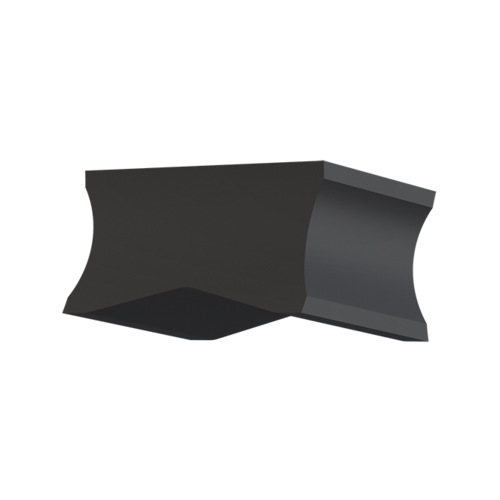
Wheelset rubber block as spring element in wheels
The rubber elements in resilient wheels form an elastic layer between the tire and the wheel body, which dampens structure-borne noise, reduces shocks and significantly reduces wear on both the wheel and the rail. Thanks to their unique design and an elastomer compound specifically tailored to the application and specifications, they meet the high requirements.
Area of application
The rubber components between the tire and the wheel body play a central role in resilient wheels. Thanks to their defined spring and damping properties, they reduce structure-borne noise, absorb shocks and minimize wear on both the wheel and the rail. This results in a smoother ride and reduces stress on both the vehicle and the infrastructure. Thanks to the elastic mounting, the wheel tire can be replaced independently of the wheel body - a decisive advantage in urban and commuter transit, where frequent maintenance is required due to high stress levels. The rubber elements used are designed for durability and can withstand high dynamic loads over the long term.
Technical details
Rubber blockss for resilient wheels are made from a rubber compound specifically developed to meet these requirements. Precisely defined spring and damping characteristics are achieved through the use of specific rubber compounds and the necessary manufacturing and processing methods. The rubber components are inspected individually and deployed by grade.
Characteristics
Rubber blocks are made of special compounds that significantly reduce structure-borne noise and vibrations, they are designed to be secured within the wheel assembly in a twist-resistant manner with high preload. In addition, they remain stable over the long term under high continuous stress, as their rubber compounds are engineered for fatigue resistance. Due to their compact arrangement between the tire and the wheel body, they require little installation space, making them particularly suitable for low-floor vehicles with confined wheel hub designs.