Rail vehicle body components – mounting, damping, and decoupling
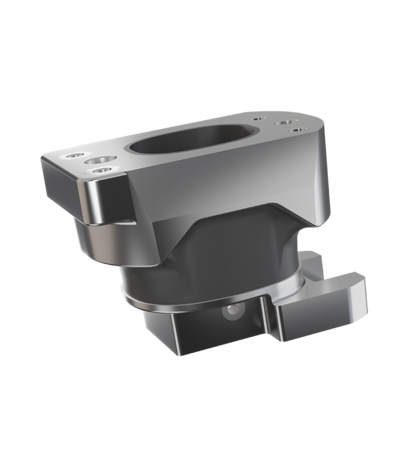
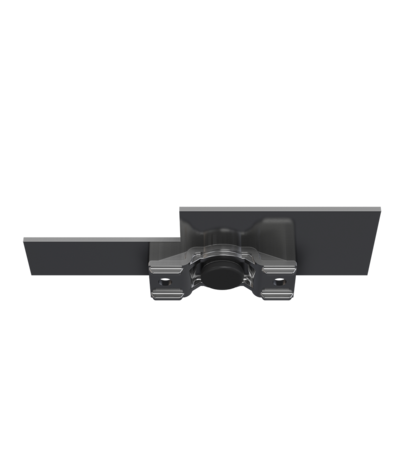
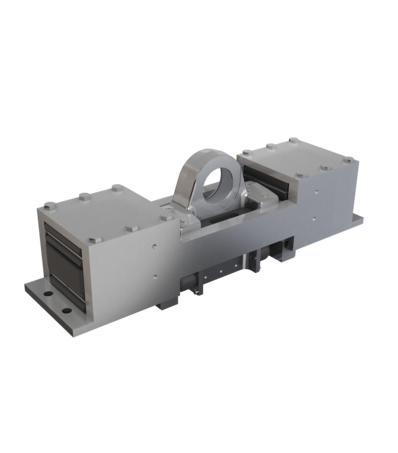
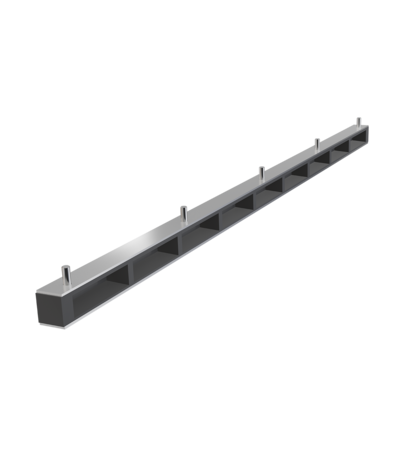
The car body forms the load-bearing structure of a rail vehicle and serves as the module that houses passengers, technical components, or cargo. It connects all major assemblies above the bogie and thus performs a function similar to that of a car’s body—though it is significantly sturdier and designed for a much longer service life. To fulfill its purpose, the car body must be able to safely support both its own weight and the payload, as well as absorb the forces generated by acceleration, braking, and cornering. It is also designed to absorb crash loads in accordance with applicable standards while simultaneously dampening vibrations and noise and withstanding fluctuations in air pressure. Furthermore, the design must be optimized both structurally and aerodynamically and exhibit high durability and corrosion resistance, while at the same time being as lightweight as possible. Body components—such as roof joint dampers, power unit mounts, fasteners, and sealing strips—perform important functions, including absorbing forces during operation, suspension and damping, mounting and decoupling of various components (e.g., air conditioning units and compressors), and sealing functions.