
Track Pad
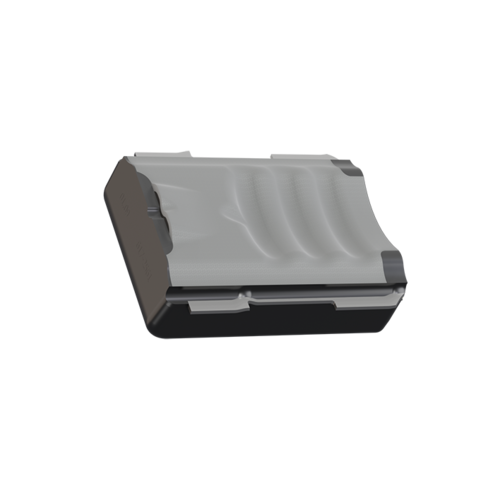
Track pads are used in protective and defense technology as drive components to enable power transmission in tracked vehicles while reducing wear and ensuring optimal ground contact. They consist of abrasion-resistant rubber-metal composite systems that reduce running noise, dampen vibrations and minimize damage to roads and the ground. In this way, they contribute significantly to mobility, stealth through noise reduction and the protection of the vehicle’s undercarriage and infrastructure.
Area of application
Track pads are used in defense and military technology directly on the track links of tracked vehicles such as combat tanks, infantry fighting vehicles, transport tanks and engineering tanks. They are installed where vehicles are frequently deployed on paved roads, in urban terrain or on sensitive surfaces. Their specific applications include reducing running noise, vibrations and road damage, as well as improving traction on asphalt, concrete, or mixed surfaces. At the same time, they protect tracks, running gear and infrastructure and support tactical operations by reducing the acoustic signature.
Technical details
Track pads consist of a highly abrasion-resistant elastomer body that is firmly bonded to a metal backing plate and/or insert and is bolted or clamped directly onto the track link. The rubber component is often based on rubber compounds with special additives for temperature, oil and abrasion resistance. The metal components are typically made of high-strength steel, sometimes with corrosion- or wear-resistant coatings to withstand high dynamic loads and shear forces. The overall design is optimized for efficient power transmission, secure fastening, quick replacement and reliable operation under extreme operating and environmental conditions.
Characteristics
Track pads are characterized by high resistance to abrasion and wear as well as excellent shock absorption against impacts, vibrations and running noise. They improve traction on paved and mixed surfaces while reducing the vehicle’s acoustic signature. Thanks to their rubber-metal composite construction, they are highly durable, resistant to temperature and weather and largely impervious to oil, fuel, and moisture. In addition, their modular design allows for quick replacement and contributes significantly to the protection of the track, undercarriage and infrastructure.